

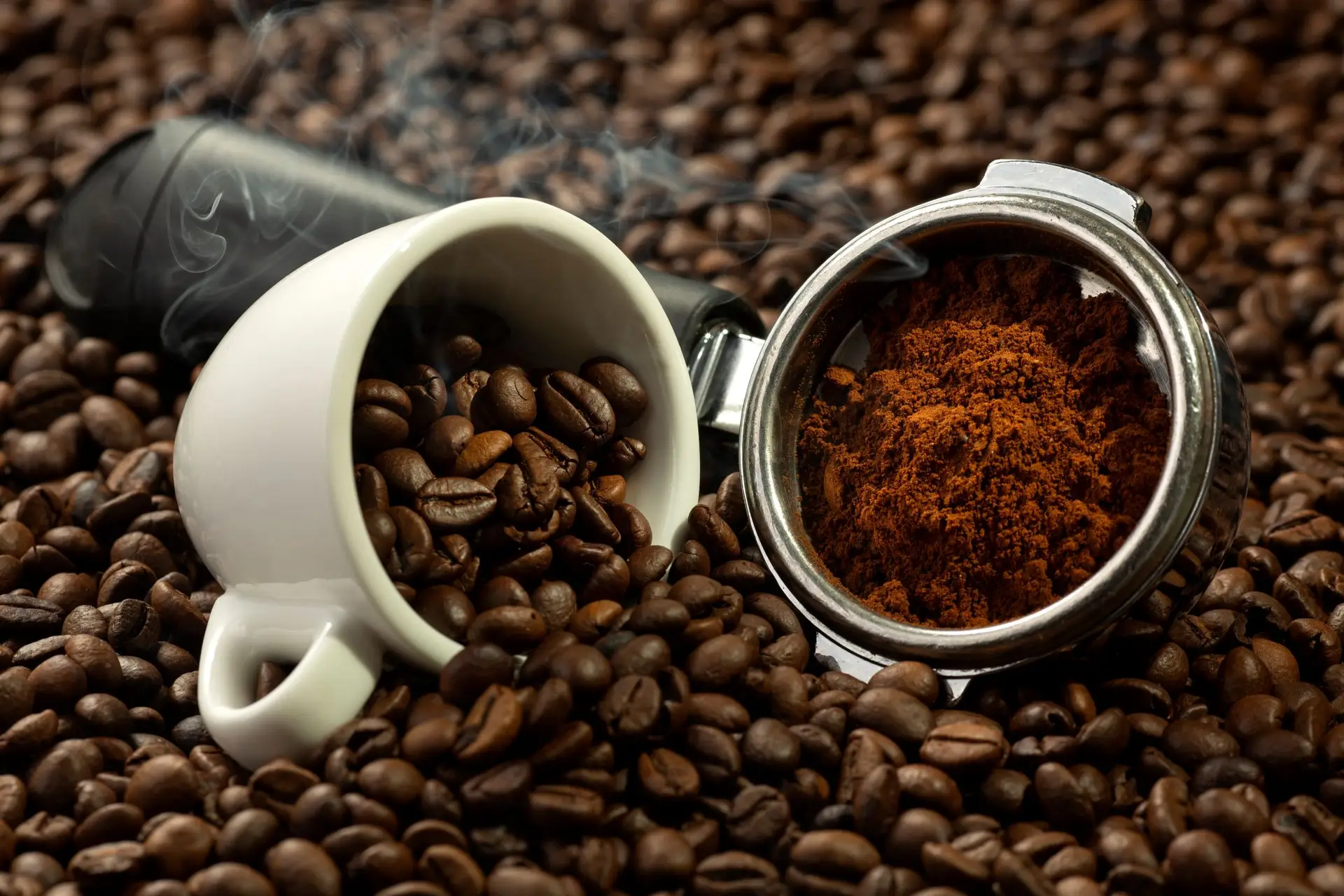
Single-origin coffee is defined by one thing: traceability. The beans come from a specific, documented place: a country, a region, a single farm, or even a single lot within that farm. Every cup can be traced back to a defined origin, often right down to the producer and harvest season.
The scope of “single-origin” narrows from there. Country-level sourcing is the broadest interpretation. Regional sourcing gets more specific. Single-farm or single-lot coffees are the most traceable, and tend to produce the most distinct, place-driven flavour profiles.
single-origin vs Blend Coffee: The Core Difference
A blend combines beans from two or more origins, roasted and proportioned to produce a consistent, balanced flavour that holds up across different brewing conditions and milk ratios. Single-origin coffee takes a different approach. It prioritises the distinct character of one source over engineered reliability.
The practical difference across three dimensions:
- Flavour: single-origin is expressive and place-specific. Blends are designed for balance and repeatability.
- Purpose: single-origin suits black coffee and filter methods where nuance is perceptible. Blends are built for espresso-based drinks, where a bold, stable flavour needs to cut through milk without losing itself.
- Consistency: Blends maintain a reliable profile year-round. Single-origin coffee changes with each harvest season.
Key Characteristics of Single-Origin Coffee
Traceability
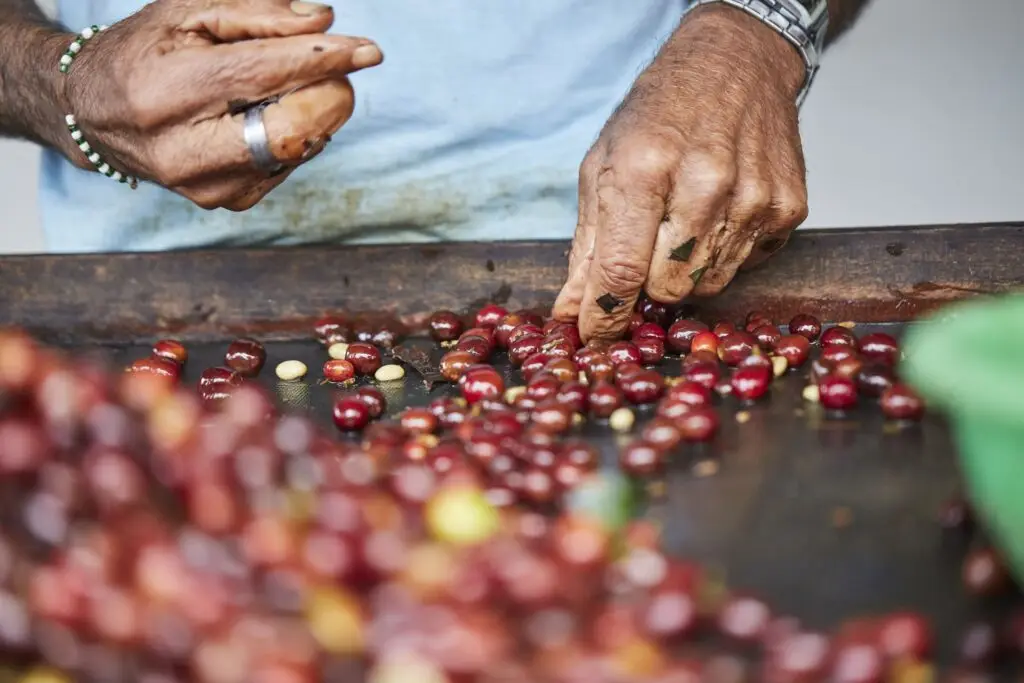
With single-origin coffee, the supply chain is transparent. Origin country, region, farm, and processing method are all known and documented. This is helpful for drinkers who want to drink coffee from a specific place, produced by specific people.
Distinct Flavour Profiles
Single-origin beans reflect the conditions under which they were grown. Altitude, soil, climate, and processing method all leave fingerprints in the cup. Kenyan coffees are known for their bright citrus and blackcurrant notes; Ethiopian beans often carry floral notes and blueberry notes; and Colombian coffees tend toward caramel, chocolate, and stone fruit. The geography affects the taste of the drink.
Roasting Approach
Lighter roasting is standard for single-origin beans, and for good reason. The goal is to preserve the intrinsic, origin-driven flavours that make them distinctive in the first place. A darker roast applied to a speciality-grade bean risks replacing what makes it interesting with roast-dominant flavours: bitterness, smokiness, and a kind of sameness that erases the point of sourcing carefully at all.
Seasonality
Like any agricultural crop, single-origin coffee changes with the harvest. The same farm’s beans can taste different from one year to the next, depending on rainfall, altitude conditions, and processing decisions made that season. Enthusiasts consider this a feature rather than a flaw. It is evidence of a real, living product rather than a manufactured one designed to taste identical in perpetuity.
Is single-origin Coffee Better Than a Blend?
Neither is objectively better. They serve different purposes.
Single-origin is the right choice when the goal is to experience the pure, unaltered character of a specific place. That is best achieved with black coffee and filter methods such as pour-over or French press, where the nuances are most perceptible.
Blends are better suited to high-volume espresso service, or any situation where the coffee needs to hold its character through milk. A well-built blend is engineered precisely for that job and does so consistently, making it better suited to latte art.
The choice between single-origin and blend comes down to one question: do you value flavour discovery or flavour consistency? Both are legitimate answers.
What Coffee Does Nineteen95 Use?
We source speciality-grade Colombian single-origin beans for every coffee cart event. Colombia is a deliberate choice. High-altitude growing conditions produce a balanced, approachable profile built around caramel, milk chocolate, and citrus. Those notes perform exceptionally well as single-origin espresso and hold their character when steamed through milk for a latte or cappuccino.
That is not a common quality in a single-origin bean. Most expressive single-origin coffees are better suited to black coffee and filter methods. Our Colombian selection sits in rarer territory: distinctive enough to be worth drinking on its own, robust enough to anchor milk-based drinks without losing its identity.
Taste the Difference
Reading about single-origin coffee is one way to understand it. Tasting it across different brew methods is where the understanding becomes real.
Our coffee workshops in Singapore put speciality beans in your hands through guided tastings and hands-on brewing, so you can experience the difference between origins and methods rather than just read about it. For events where that same quality needs to travel, our coffee cart packages and bottled cold brew delivery use the same Colombian single-origin beans. Reach out to us to start getting your coffee to taste right.


