

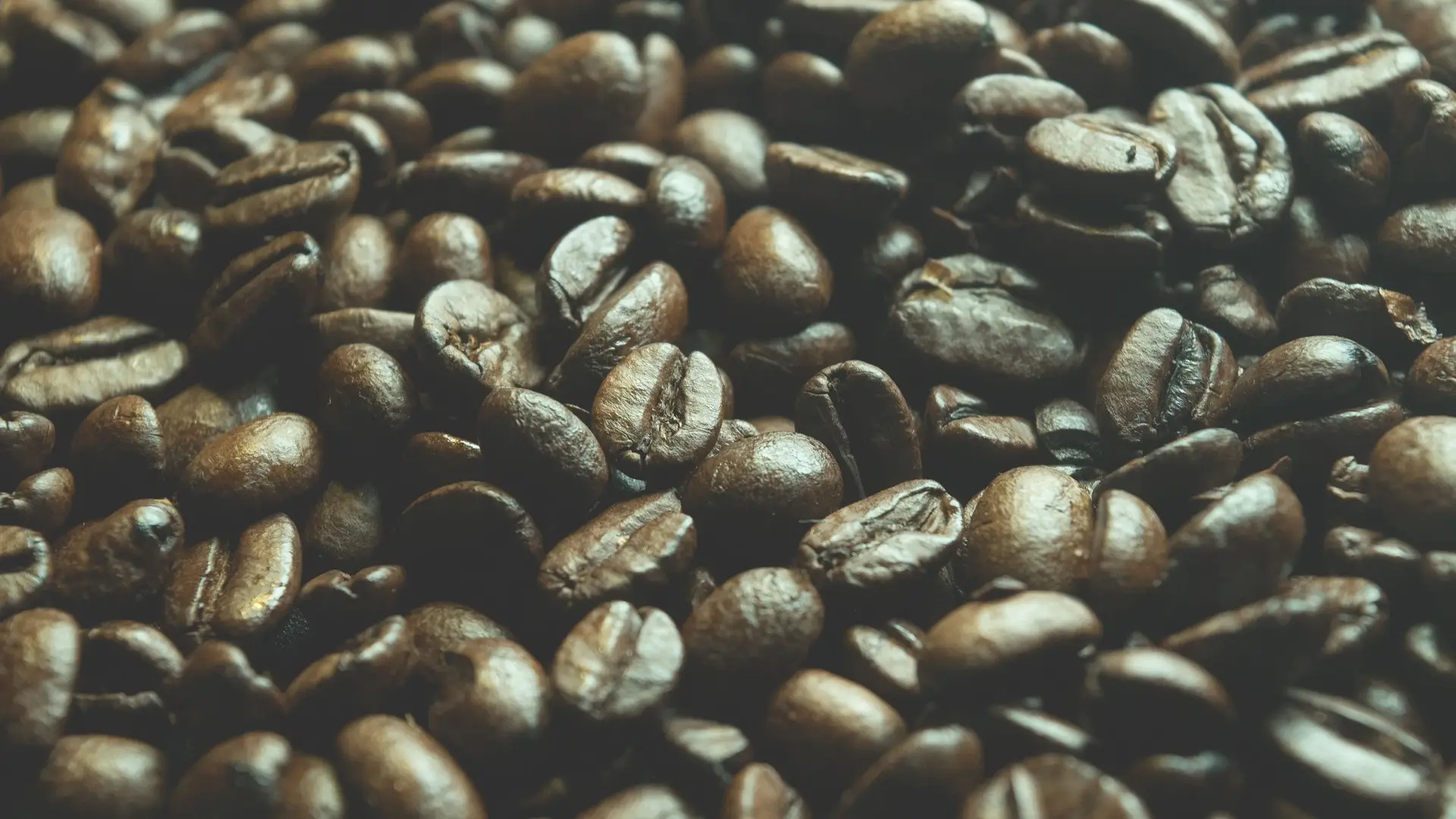
Grind size can make or break a cup of coffee more than almost any other variable. Two identical bags, ground differently, will produce two different drinks.
The reason is extraction. Grind determines how much flavour, acidity, and body the water draws from the grounds. Too fine for the method, and the cup turns bitter. Too coarse, and it turns sour. Getting it right comes down to two decisions: how you grind, and how coarsely.
Why Grind Size Matters More Than Most People Realise
Extraction is the whole game. Water pulls compounds out of coffee at a rate governed by surface area, and surface area is set by grind. Match grind to brew method, and the cup balances. Miss the match, and no amount of good beans will save it.
The Best Ways to Grind Coffee Beans
Burr Grinder
A burr grinder crushes beans between two abrasive surfaces, producing uniform particle sizes. Uniformity is the point. When every particle is the same size, they all extract at the same rate, and the cup lands balanced instead of muddled.
Available as manual or electric models, they are the honest choice for anyone serious about home coffee. Some brands also build the grinder into the machine itself, so a coffee maker that grinds beans on demand is another option if you want a single-appliance setup.
Blade Grinder
A blade grinder chops rather than crushes, and the results are uneven. Short, sharp pulses help, as does avoiding a continuous run that builds heat and dulls flavour. Workable for casual brewing. Not the tool for anywhere precision matters.
How to Grind Coffee Beans Without a Grinder
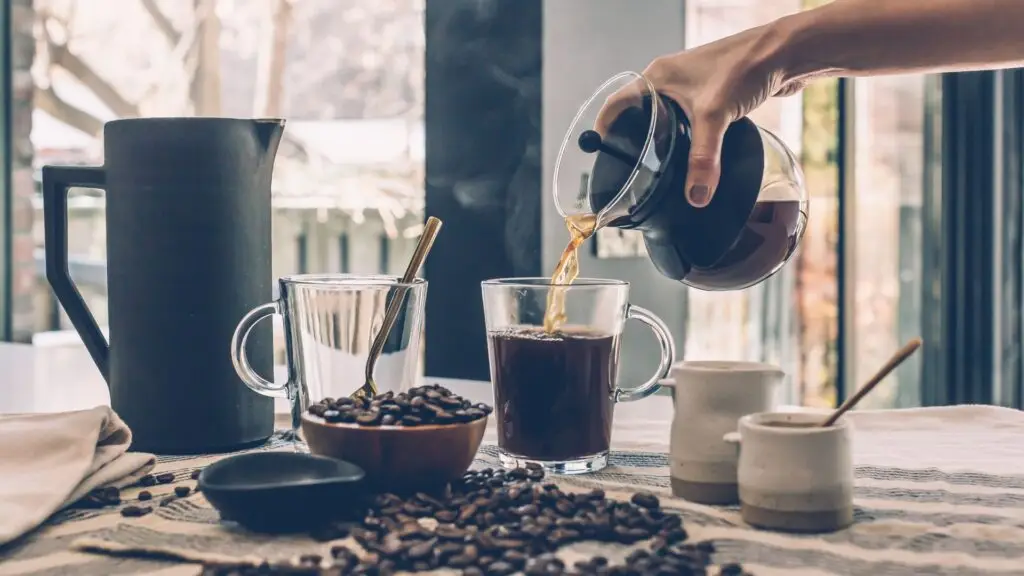
No grinder on hand? How to grind up coffee beans without one comes down to three fallbacks.
A blender, used on pulse in short bursts, produces medium to coarse grinds acceptable for French press or drip. A mortar and pestle offers the most control of any manual method, working in slow circular motions for small batches. You can also crush coffee beans inside a sealed bag with a rolling pin or heavy pan when nothing else is around.
None will hit espresso-fine consistency, so save the fancy shots for a proper grinder.
The Coffee Grind Size Guide
Three levels cover most brewing:
- Coarse: Cracked peppercorns or flaky sea salt, suited to French press and cold brew where grounds steep for a long time
- Medium: The texture of beach sand or kosher salt, for drip machines and pour-over
- Fine: Table salt or powdered sugar, for espresso where high-pressure extraction demands maximum surface contact
Reaching the right size is a matter of setting, not timing. On a burr grinder, the distance between the burrs decides how fine the grounds come out, and running the machine longer only produces more coffee at that same size. On a blade grinder or a no-grinder fallback, pulse in short bursts and check as you go. Extended grinding creates fine dust that over-extracts and turns the cup bitter, even when the average particle size looks right.
Get the Grind Right, and the Cup Follows
Grind method determines consistency. Grind size determines extraction. Both decide what ends up in the cup, and even excellent beans are wasted by a poor grind. Two habits close the gap: grind fresh, since coffee starts losing flavour compounds within minutes of hitting air, and store whole beans in an airtight container somewhere cool and dark until you are ready to use them.
Grinding and extraction are two of the most hands-on skills we cover in our coffee workshop in Singapore, where participants work with specialty-grade Colombian beans across multiple brew methods. Or if you would rather leave the grinding to us entirely, our bottled cold brew delivers ready-to-drink coffee straight to your door. Drop us a line at [email protected] to find out more about our Coffee Appreciation Workshop or the wider coffee range.
Frequently Asked Questions About Grinding Coffee Beans
Is it okay to grind coffee beans in a blender?
Yes, it is okay to grind coffee beans in a blender, but only for medium to coarse grinds. Use the pulse setting in short bursts to avoid turning the beans into powder or overheating them. A blender cannot produce the fine, uniform grind espresso needs, so stick to French press or drip if you go this route.
How long should I grind coffee beans?
There is no set time for how long you should grind coffee beans. The right amount depends on your grinder and target size, not the clock. On a burr grinder, adjust the setting rather than the timer. On a blade grinder, pulse in short bursts and stop the moment the grounds reach the texture your brew method needs.


