

Most coffee drinkers have a preferred drink but no idea why their home version never quite matches the café. The answer is usually the brewing method.
Bean quality matters. But the way water interacts with grounds determines the body, clarity, and intensity of what ends up in the cup. The same beans brewed two different ways produce two genuinely different drinks, so understanding the eight recognised coffee brewing methods is the first step to understanding what you are actually tasting.
How Many Types of Coffee Brewing Methods Are There?
There are eight widely recognised ways to make coffee, each defined by how to drive water through or around the grounds.
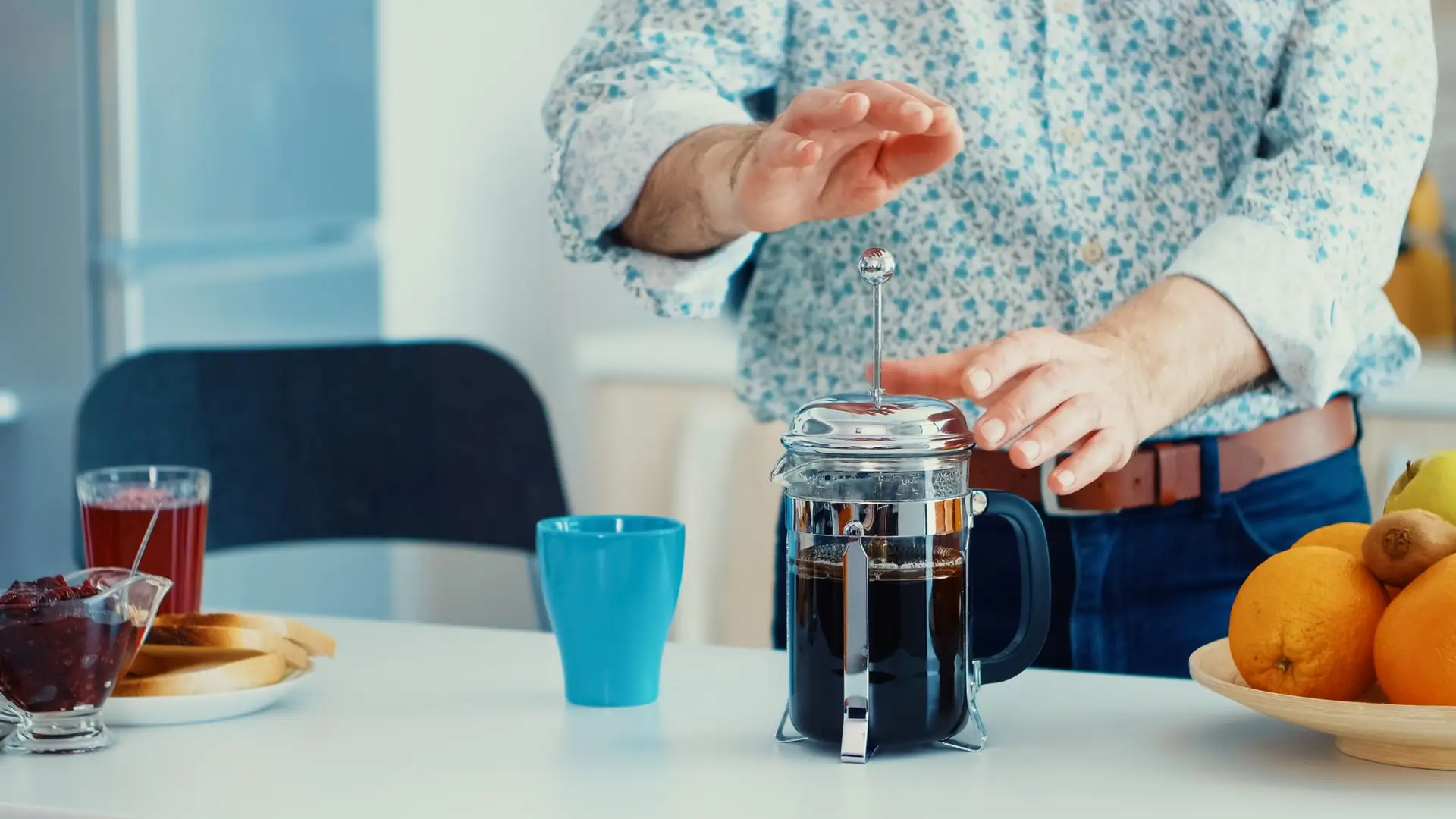
French Press (Immersion)
Coarsely ground coffee steeps in hot water for around four minutes before a mesh plunger separates the grounds. The result is a full-bodied, robust cup with natural oils intact, giving it a heavier mouthfeel than filtered methods. Best for those who prefer richness and depth over clarity.
Pour-Over (Gravitational Feed)
Hot water is poured slowly over a bed of grounds in a filter, using a device such as the Hario V60 or Chemex. The result is a clean, bright cup that highlights floral and fruity origin notes. Best for single-origin beans from places like Ethiopia or Colombia, where subtlety and terroir matter.
Espresso (Pressure)
High-pressure hot water is forced through finely ground, compacted coffee in under 30 seconds. The result is a concentrated shot with a layer of crema, which serves as the base for lattes, cappuccinos, and flat whites. Best for milk-based drinks and any situation where quality needs to be consistent across volume.
AeroPress (Pressure and Immersion)
A portable brewer that combines a short steep with air pressure to push water through the grounds. The result is a strong, clean, and quick cup with low bitterness and high versatility. Best for home brewers and travellers who want control over every variable.
Moka Pot (Stovetop Pressure)
A stovetop device uses steam pressure to push water upward through coffee grounds. The result is a strong, concentrated brew that approaches the intensity of espresso without requiring a machine. Best for bold coffee at home with minimal equipment.
Cold Brew (Immersion)
Coarse grounds steep in cold or room-temperature water for 12 to 24 hours. The result is a smooth, low-acid concentrate with natural sweetness and a heavy body. Bottled cold brew is loved by those who are sensitive to acidity, or want a ready-to-drink option.
Siphon (Vacuum)
Heat, gravity, and vacuum pressure work across two chambers to brew the coffee. The result is a remarkably clean, delicate, and aromatic cup that is as much a visual experience as a sensory one. Best for coffee enthusiasts who value precision and a degree of theatre in the brew process.
Turkish/Ibrik (Boiling)
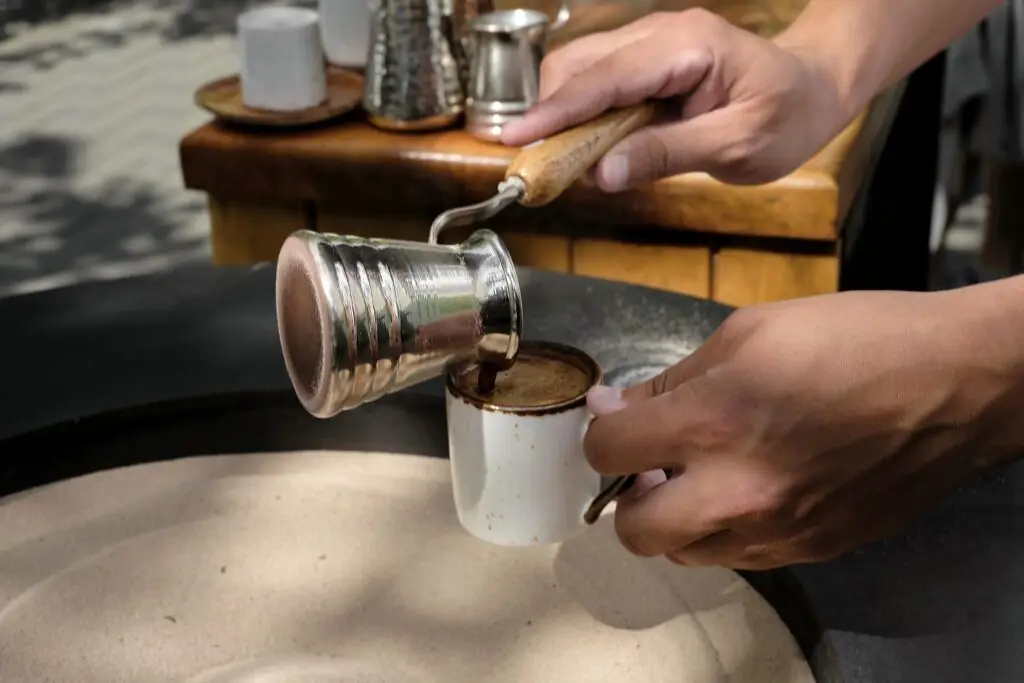
Finely powdered coffee and water are heated together to a simmer in a small pot. The result is a thick, unfiltered, intensely flavoured cup with a distinct layer of sediment. Best for those who enjoy a traditional, ceremonial approach to coffee.
What Is the Best Brewing Method for Coffee?
There is no single best method. The right choice depends on the flavour profile, body, and convenience a drinker prefers. Four variables cut across all methods and are worth understanding regardless of which one you use.
- Grind size ranges from powdery (Turkish) to coarse (French Press and cold brew).
- Water temperature sits just below boiling for most methods.
- Brew time spans from under 30 seconds for espresso to 24 hours for cold brew.
- The ratio starts at roughly 1 gram of coffee to 15 grams of water across most methods, adjusted to taste.
Of the eight methods, espresso is the one that scales. A shot pulls in under 30 seconds, which means a skilled barista can produce a high volume of consistent, café-quality drinks in the time it takes other methods to complete a single brew.
That speed is a function of pressure: forcing water through finely compacted grounds at high pressure extracts quickly and concentrates flavour in a way no other method replicates. It is why espresso became the foundation of café service, and why it remains the method of choice wherever quality and volume need to coexist.
The Right Method for the Right Cup
Eight methods, each producing a genuinely different cup. The method shapes the drink as much as the beans do, and understanding that gap is usually what closes the distance between a home brew and a café-standard cup.
If you want to try making coffee with expert guidance, our latte art and coffee-making workshops in Singapore cover espresso technique, milk science, and the fundamentals of a well-pulled shot in a hands-on session. Or, if you are planning a corporate event or wedding and want a professional espresso setup on-site, take a look at our coffee cart packages and contact us to book.


